Blog Perspective
by Civic Collection Team · 4 min read
What Happens When Public Art Goes Away
When documenting a wide swathe of content for a public art guide, it's inevitable that some fields will be missing in your records. Perhaps it's a blurry photograph of a piece that's been standing for decades, but nobody can quite find the time to improve the documentation. Or maybe it's a missing artist name from a sculpture installed in the 80s.
Don't worry, the work will still be there to document next month. Right?
What can you no longer do once art has been removed?
While a work is standing, you have basically unlimited access to the source. You can photograph it in good light, measure it, assess its condition, and stand where the artist expected you to stand.
Once the piece is gone, all that remains is whatever somebody wrote down. And when a conservator is curious what the art piece's coating was, or a community group needs to show what stood there, they're asking for something only a detailed record can supply.
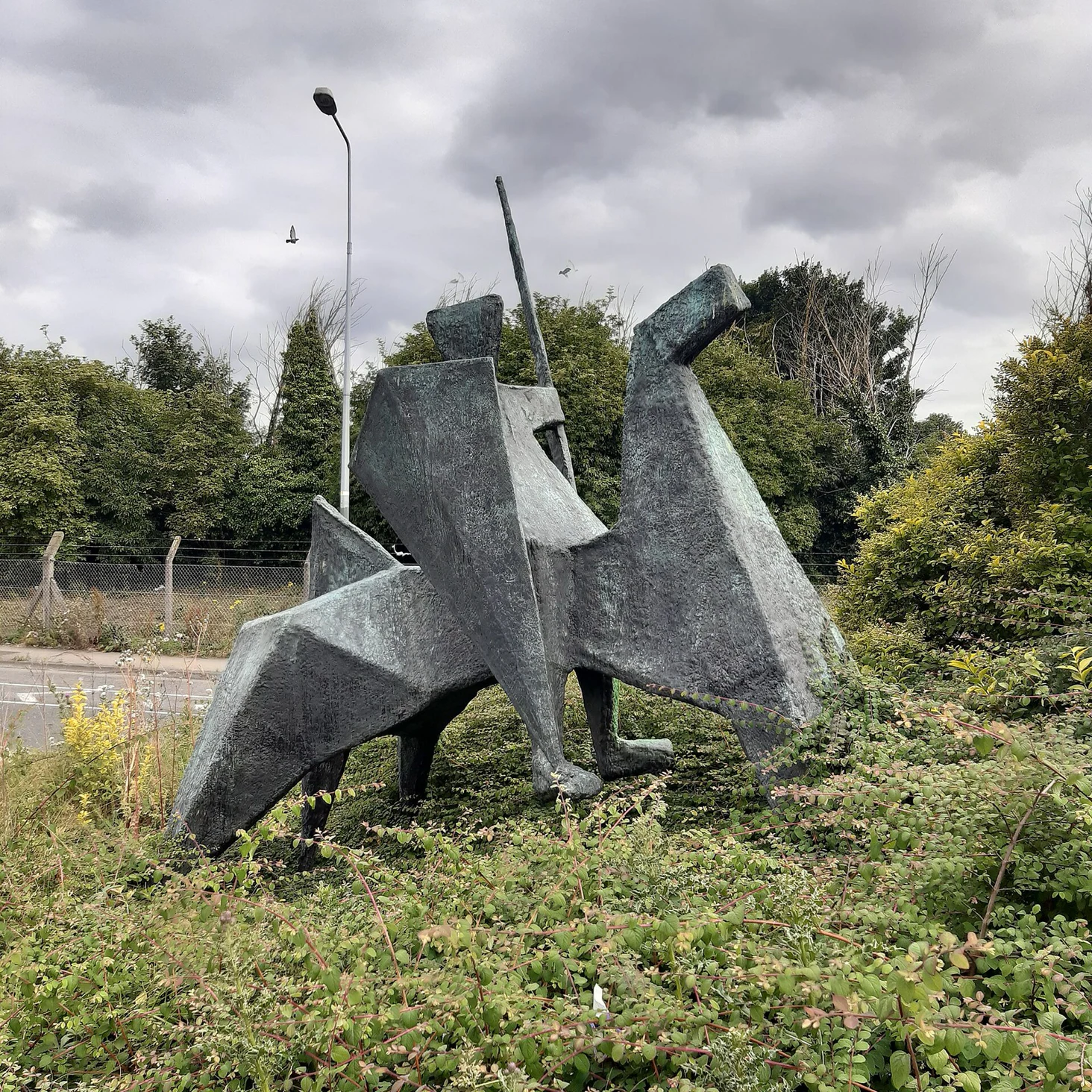
Databases are also impermanent: servers fail, vendors fold, file formats age out, but the cost of recovery for a database entry is very different from manually locating and re-documenting a piece after it's moved. A record can be copied a hundred times, exported and handed to a separate archive, and every copy is essentially as good as the original.
When an artwork is removed and you're hoping to learn more about it, you're essentially following a paper trail. In these moments, it's essential that whoever first cataloged the work also documented the type of removal.
Removed, relocated, deaccessioned, or deinstalled?
Each one of these words implies a different change to the record:
- Relocation means the work moved and stayed accessible. Same accession number, and just one field updated.
- Deaccession is the formal decision to take a piece out of the collection. This is a governance act rather than a physical one.
- Decommissioning covers the planned end of public display, including what happens to the site afterward.
- Deinstallation covers the actual removal of the art piece, the afternoon when the object is likeliest to be damaged.
"Removed" covers all four, which is why it works in conversation but isn't specific enough for a proper record. Does the work still exist? Who owns it now? Who should I ask about it? A steward reading an entry with "removed" in fifteen years has to start their research from the ground up.
Be specific with the language you use, log the date and the artwork's destination, if available. "Relocated to the civic plaza, June, from the original library" answers what "removed" fails to tell.
Was this particular artwork ever meant to stay?
Plenty of public art is intended to be temporary, and is scheduled to disappear from the day it goes up. Murals get painted over and festival work is seasonal.
Calgary's Art Bus program is a great example of a temporary public art exhibit. Seven artists wrapped transit buses in 2025, so the site of each work is a route and a season, without coordinates to record. Dates, artists, and photos can still be recorded.
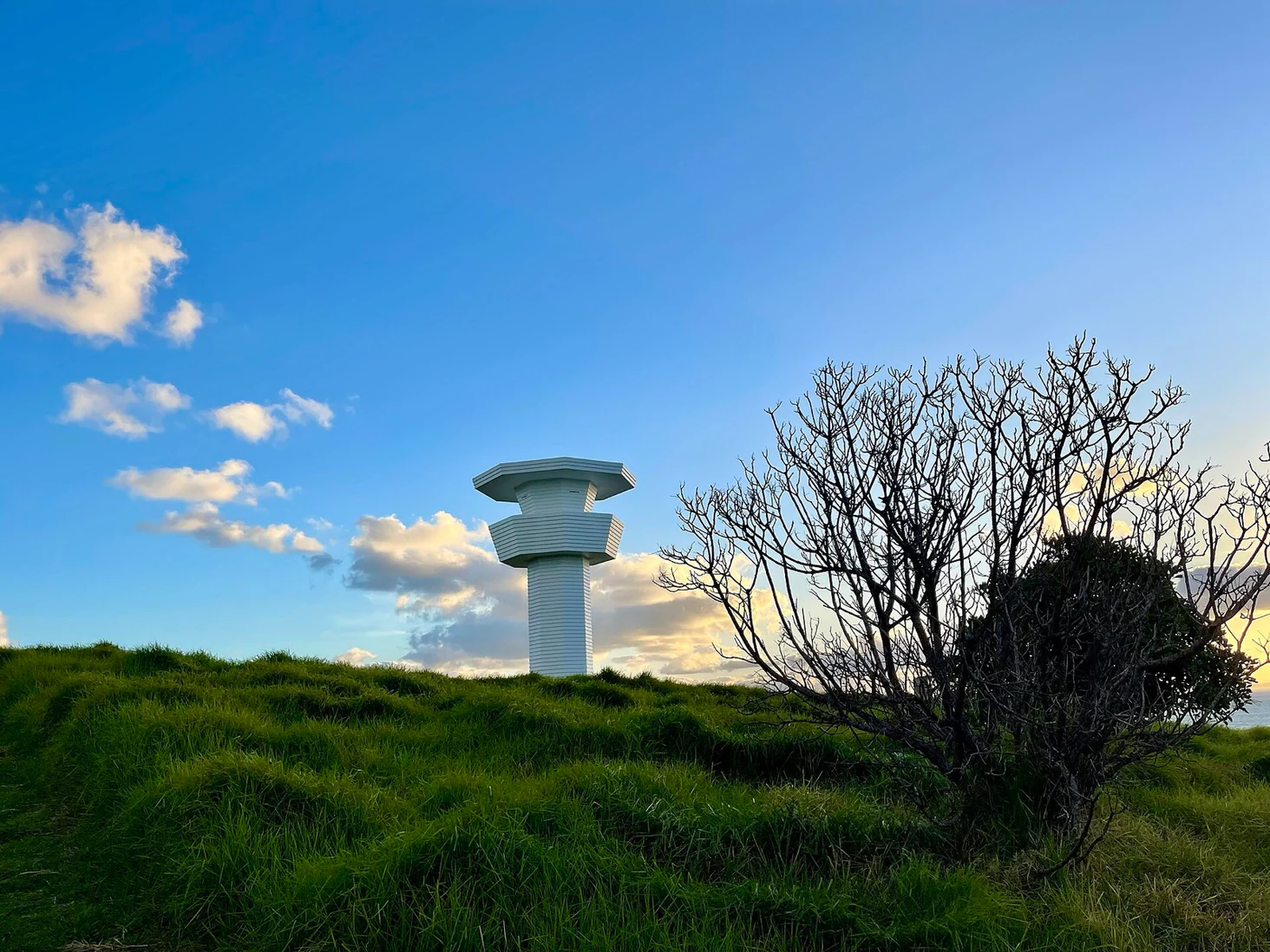
Be sure to note where the piece went, even if the answer is a storage yard in the middle of nowhere. This ensures that the trail stays followable, even if it's not clear where it's leading.
Why location is similar to an artwork's condition rating
It's easy to prioritize an artwork's location field alongside title, artist, and materials, when in practice, coordinates have more in common with a condition rating. Just like a condition rating, a location is true on the day the artwork is documented, but it's subject to change in a way that the title, artist and materials do not. This is one of the many reasons why it's important to accurately date your documentation entries.
Without dates tied to locations, a tour with an artwork that has moved ends up breaking. Composing tours from the catalog instead means that editing one record updates every route containing it, which is what lets a guide stay accurate for years at a time.
Crowdsourced location data helps keep this information up to date. On our guides, visitors can report that a work has moved or changed, which staff can then visit to confirm.
Photograph what you can reach this month, date what you write down, and note where a piece went when it's been moved. If you know that a piece is being removed next week, take an afternoon beforehand to document the condition, date, type of removal, and any other details about the piece to save yourself the trouble of searching for it after removal.
If you steward a collection and want to improve the quality of your records, that's what Civic Collection was built for. Book a demo and we'll look at your collection together.