Blog Perspective
by Civic Collection Team · 5 min read
Introducing Civic Collection
Our team has been passionate about documenting public art for a while, but we haven't put a name to it until now: Civic Collection. Your city's public art, held to the standard a collection deserves.
Our guides aren't labeled with our name; the art guide we built with Calgary Arts Development is the Calgary Public Art Guide, on their domain, in their chosen brand. Civic Collection is the system underneath: the catalog, the map, the moderation queue, and the team that operates all of it.
What we built in Calgary
Calgary Arts Development is the city's designated arts development authority, and it stewards a rich collection of city-owned works, publicly funded pieces, temporary installations, and community-led projects.
The Calgary Public Art Guide launched in 2025 and documents artwork across all the city's wards. It opens directly on a map, allowing visitors to browse by location, type, or theme, read artwork pages with photos and artist bios, follow curated tours or build their own, and submit discoveries. Behind it, Calgary Arts Development's own team curates and enriches the catalog through a clean, custom CMS, without the need to constantly reach out to developers. The full case study has more details.
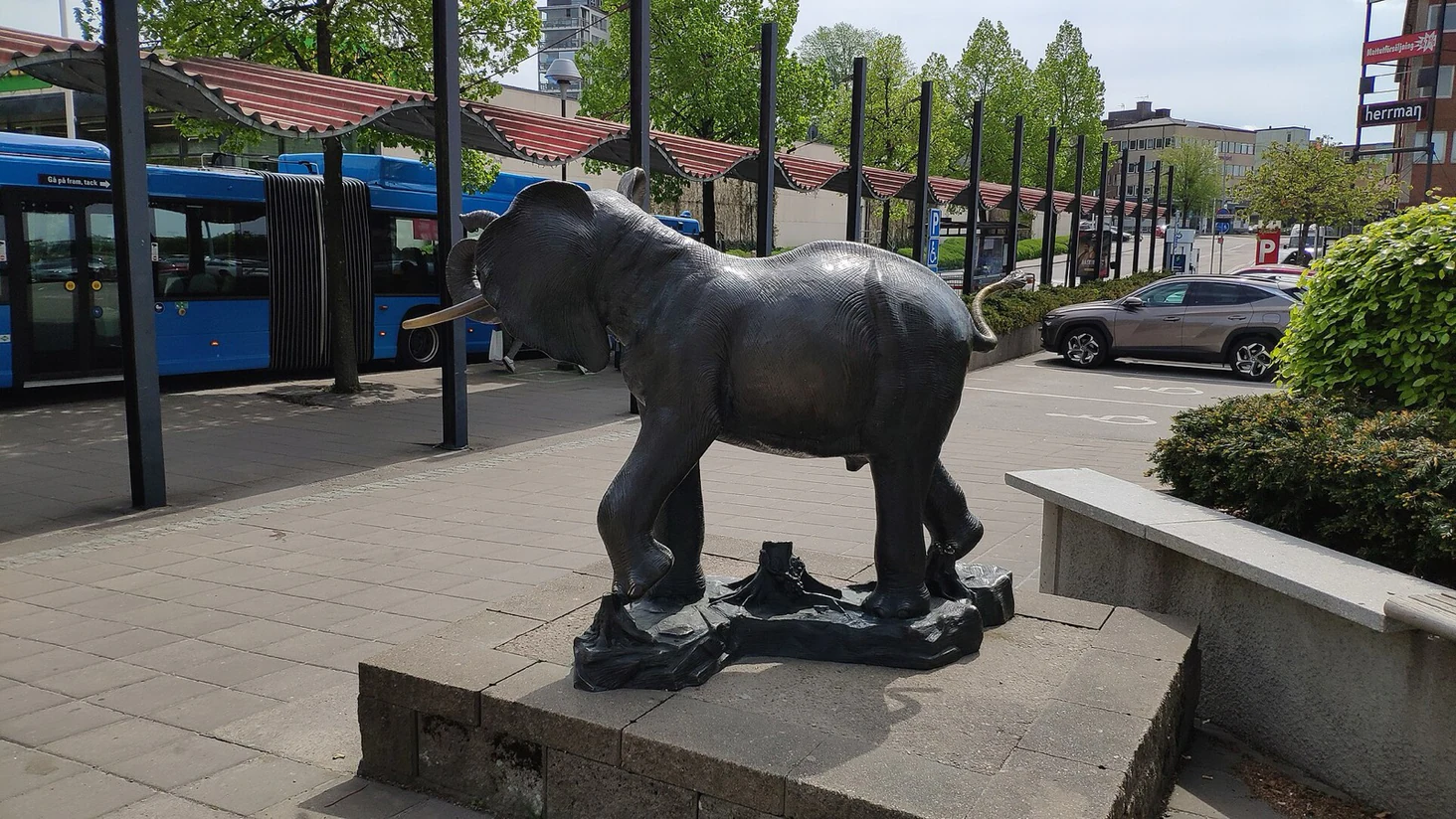
What our public art guides include
A guide from Civic Collection includes four pillars:
- The interactive map, which is the gateway to your guide. Every artwork gets its own page with photos and artist credit, and editors can compose self-guided tours customized for walking, cycling, or driving. It all runs in the browser, so there's nothing to install or print.
- Our collections management system is modeled on museum standards, with controlled vocabularies, structured attribution, condition assessments, and lifecycle timelines. This allows you to consolidate your city's public art records from a smattering of spreadsheets from a variety of organizations into a quality schema for long-term records. Your catalog is exportable in full at any time.
- Community contributions bolster your team with interested people from around your city, allowing photo and story submissions, suggested edits, relocation notes, and visitor-submitted tours. Everything flows into a moderation queue, so nothing goes live without your team's approval.
- Analytics and reporting empowers your team to better-understand your reach, engagement, and community activity. This is a powerful tool for securing funding and defending the value of public art documentation.
Art lovers aren't all necessarily interested in poring through decades-old databases, so Civic Collection's structured data and museum-quality schema ensure that individual works are visible to search engines, not just to people who already know your guide exists.
The value of Civic Collection
If you work in public art, you've more than likely seen records like this: a spreadsheet that grew one column at a time, a mapping layer somebody built but never maintained, a PDF walking tour from a few summers ago, a shared drive of photographs with filenames like IMG_4471, and three separate departments, each holding separate pieces of the true data you need.
Great databases have existed for years, so the obstacle here isn't the availability of software: it's that migrating and enriching hundreds (or even thousands) of records is a months-long job requiring someone who's familiar—and passionate about—enriched schema. So the work waits, and the collection stays invisible.
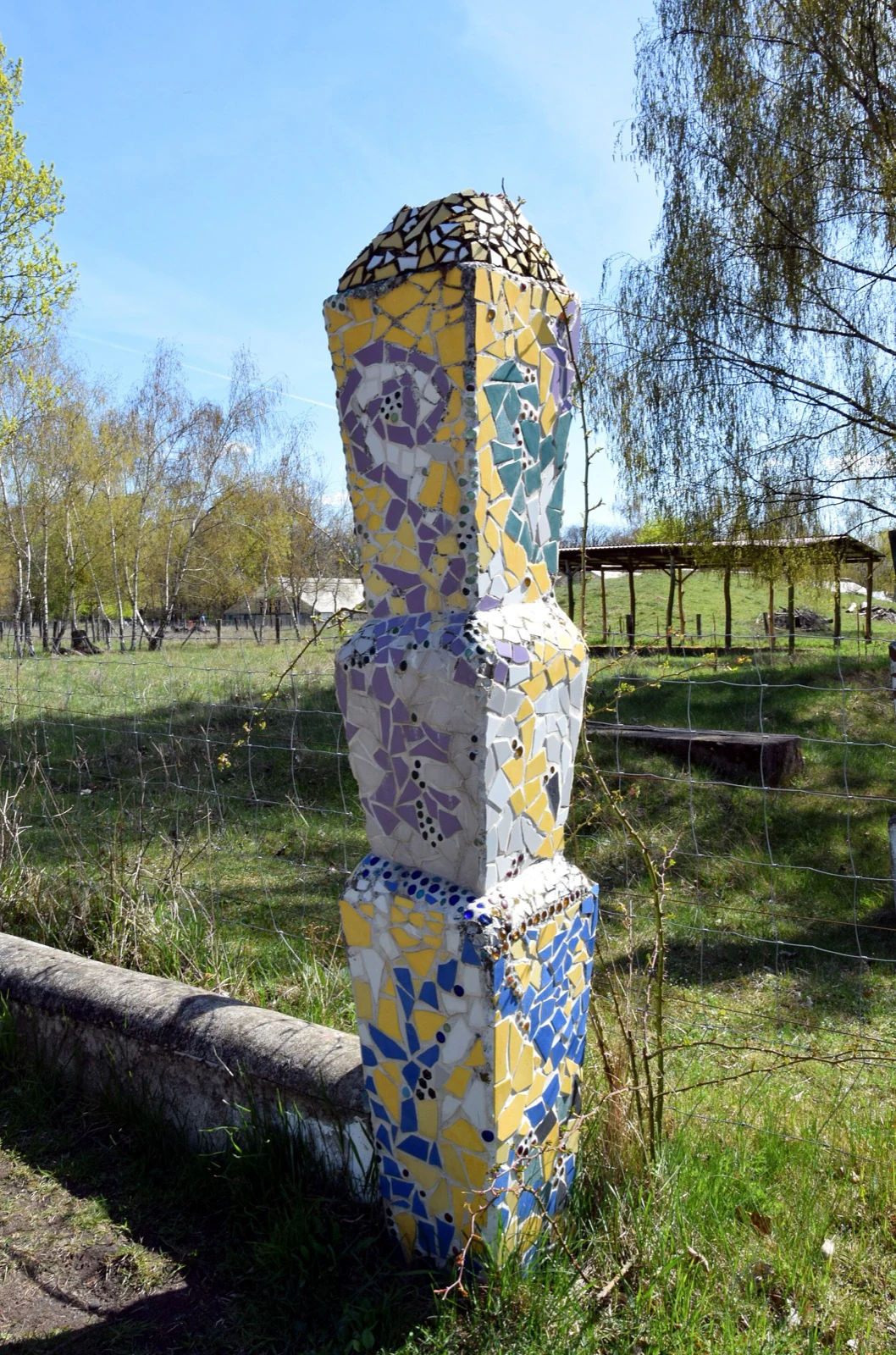
That is where we come in. Onboarding is a scoped service: we build the schema, handle the migration, and enrich your records. Wherever your collection is now, spreadsheets and loose PDFs included, that's where we start.
After that, we keep going. We host the guide, maintain it, and improve it after launch. A guide that ships and then slowly rots is only useful for a few years, and a small team shouldn't have to moonlight as web experts to keep their own collection online. We operate behind the scenes, and you take care of publishing and growing your collection.
What we're looking forward to
We're really excited about growing and working with more cities. Why's that?
We want to build great records. Public art comes down, gets painted over, and gets relocated more often than anyone expects, and in those cases, the record is usually all that survives. Building great schema for catalogs that hold up for decades isn't necessarily glamorous work, but it's very valuable in the long run.
We want people to enjoy great tours in their cities. A user-friendly map with a few great tours turns a scattered collection or database into an afternoon somebody plans on purpose. People commission public art so it can be viewed and enjoyed, and we want to help people explore their cities, enjoy the work, and appreciate the artists whose effort made it all possible.
We want to make collection management manageable for teams of all sizes. We want guides built with Civic Collection to be maintainable by a full scale team, as well as an agile two-person team. Maintainability keeps your records from drifting out of date, which means better records and less to fix in the long run.
We're ready for the next city. If your city has art that you can't quite find, we'd love to hear about it.
If you steward a collection and want to see what working with Civic Collection looks like in practice, start with what we built in Calgary. Book a demo and we'll look at your records together.