Blog Field notes
by Civic Collection Team · 5 min read
Ten Ideas for Your Next Public Art Tour
Your public art collection doesn't have clear opening hours or an admission gate. Everything is already out there, waiting for you, spread across neighborhoods you may not have walked in years.
What you're missing is a clear route to take, which is what a public art tour supplies.
The city is your museum to explore
A self-guided tour is a curated route you follow at your own pace. Instead of sifting through four hundred artworks and fighting decision anxiety, a pre-built tour is the best way to get your visitors to put on their shoes and explore.
The route that you put together does the same job of a gallery curator: it tells visitors that "these things belong together, and here is why". Two sculptures a block apart become a pairing when someone points out that they have a similar theme. A mural you've driven past for years becomes a destination once it becomes "stop three of six".
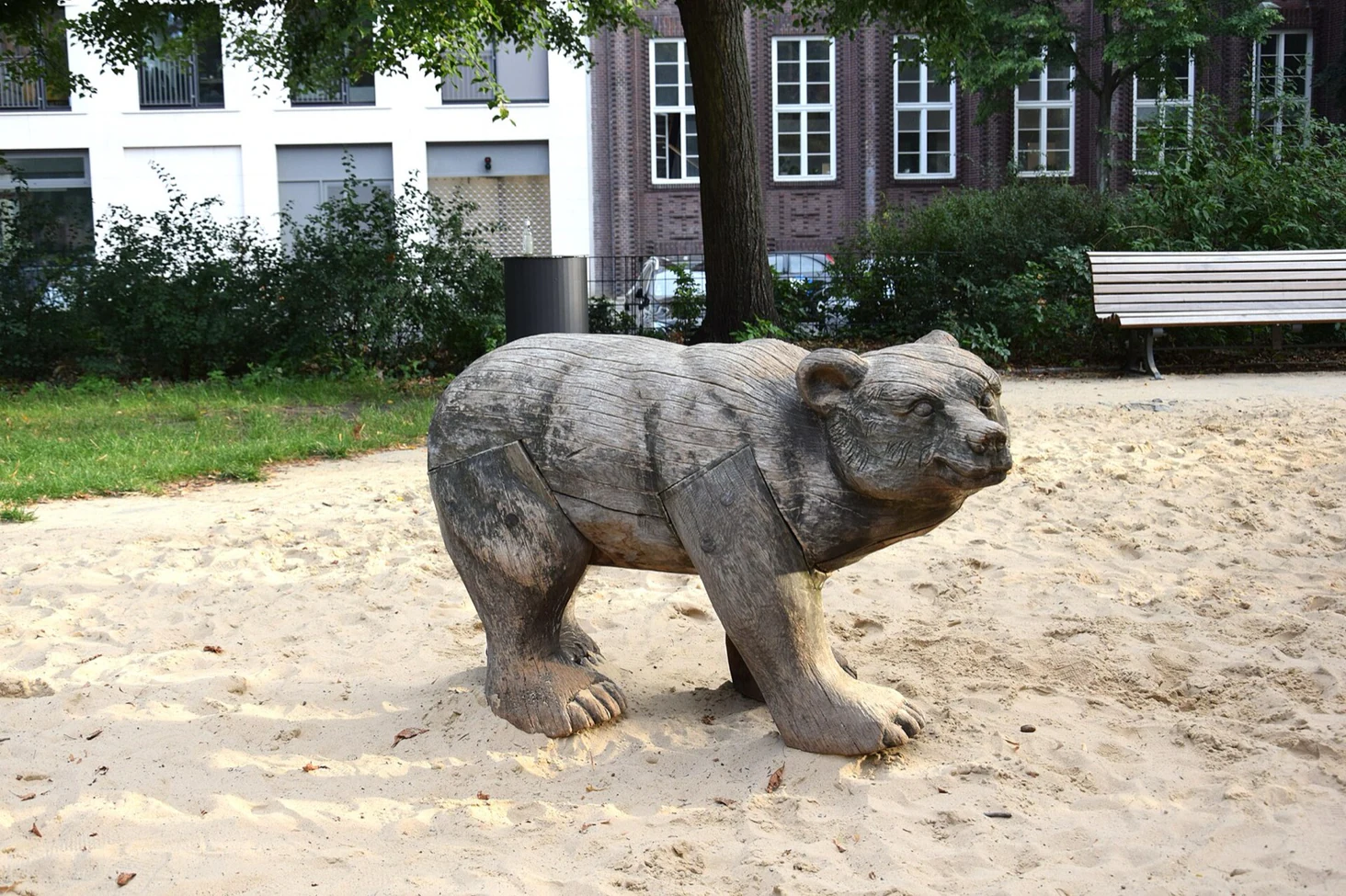
On our guides, visitors can save works to lists and share the tours they make, so a tour can come from a curator, a teacher planning a field trip, or somebody who really likes statues of bears.
What factors play into a great tour?
All our ideas below use some combination of these factors:
- Geography. Tight loops in one district are much easier to finish than tours that take visitors from one side of the city to the other. Linear routes along a river or a bike path can make the tour more enjoyable for cyclists, and downtown walks near food and other amenities can be great for people tackling the tour by foot.
- Length. A twenty-minute tour will be more accessible for most visitors than a ninety-minute tour, but some visitors will be looking for a multi-hour tour. If you're honest about the tour length and have the route clearly marked from the get-go, the right people will find the right tour for them. Somewhere between four and eight stops suits most walking routes.
- Theme. Without a theme, you don't have a tour. Your theme could be a medium, a particular artist, a subject, an era, or a mood. Who are you making the route for? Be concise and clear with why this tour is worth taking.
Ten tours worth building
We've built and conceptualized a lot of tours in our time building public art guides, and here are some ideas to get you started:
1. The twenty-minute loop
Four art pieces within a few blocks of a transit hub or a busy office district, walkable on a lunch break, ending near where it started. A quick time-based tour asks very little of a first-time visitor, and the short length makes it the tour most likely to be finished.
2. The mural run
Outdoor murals are great for selfies and adventure photos, and change more often than sculptures or indoor installations. A mural route through one neighborhood can double as a record of a district's last decade, and is a great reason to visit and grab some photos.
3. One artist, start to finish
Follow the works of a single artist across the city to watch the change in their practice over the years. An early commission, a mid-career piece, and a recent work in three different districts can tell a great story.
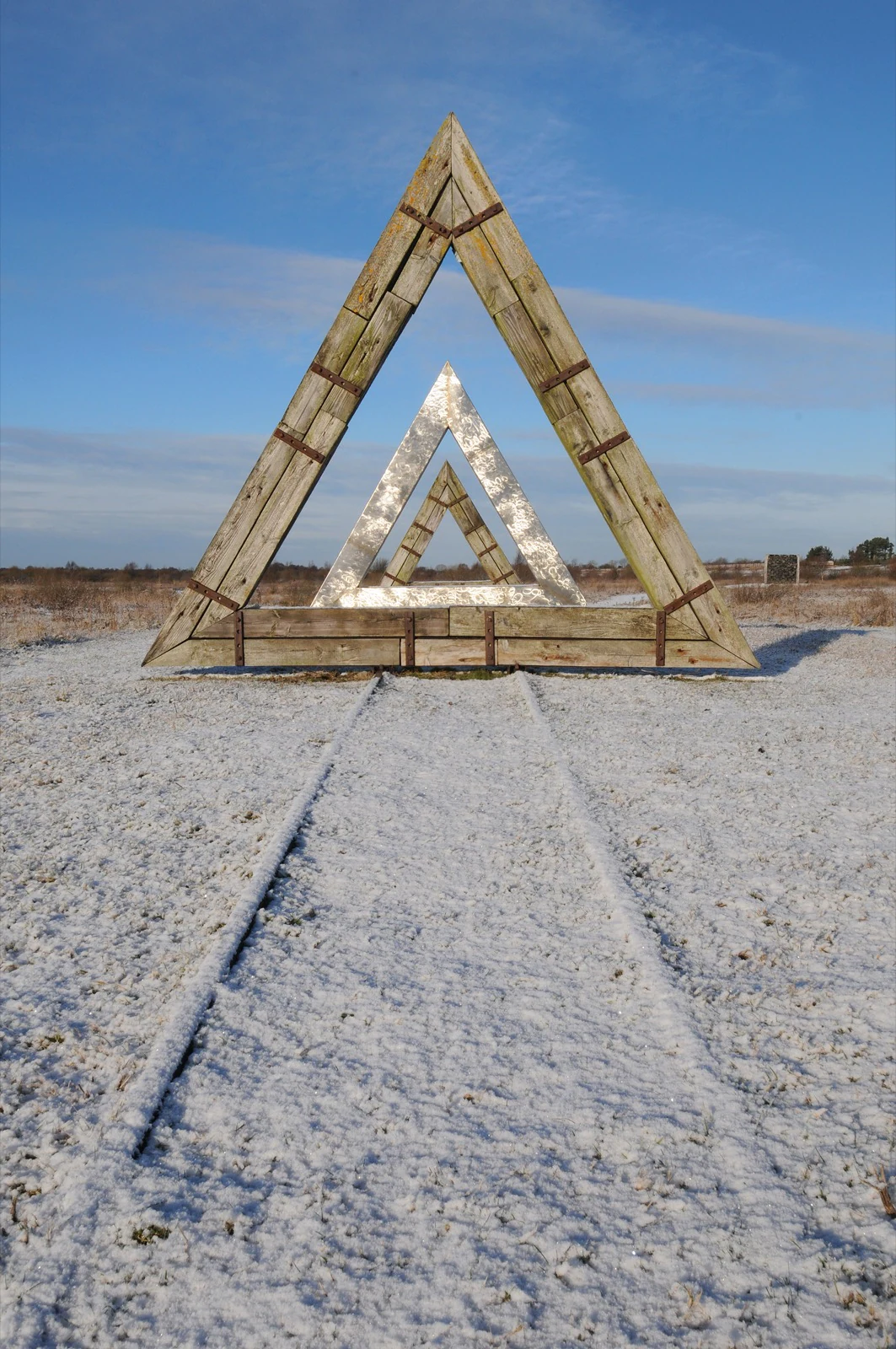
4. Memorials
A route of memorials is a tour of what a city chooses to remember. Who got a statue, in what decade, and who paid for it? Handled with care, this can be an interesting tour to create, because these memorials can tell a lot about funding priorities and public perception during different eras.
5. A date-based tour
Sort by installation date and choose nearby images from different eras, chronologically. Public taste from different eras can surprise people. Different decades might lean more into realism as opposed to abstract, or you might notice thematic trends that reflect the societal priorities or norms of the time.
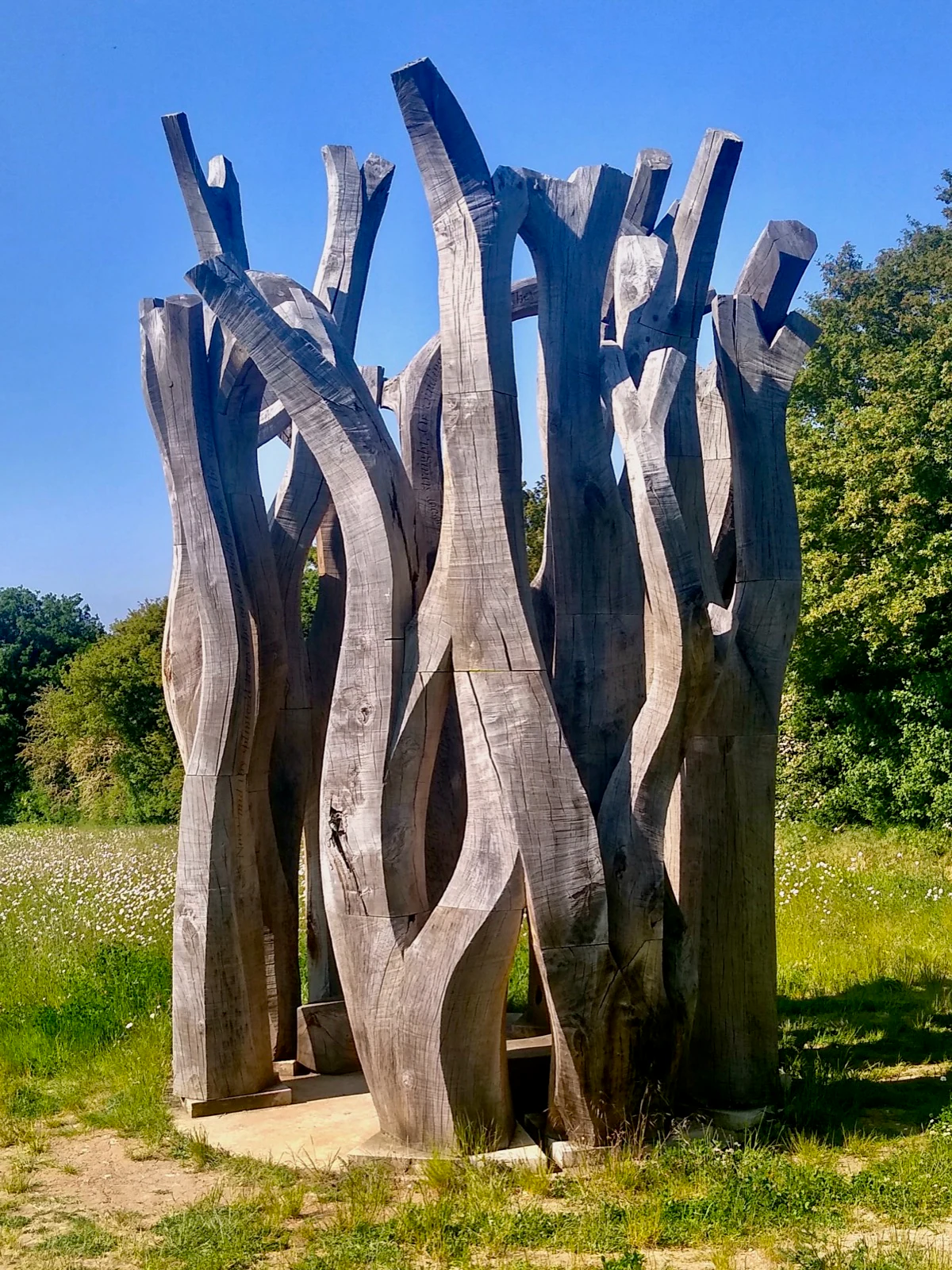
6. Animals
Every collection has more creatures in it than anyone realizes, scattered across parks, plazas, and buildings. An animal-based route can be quick to build, and can be delightful to follow, especially if you're able to keep all the stops within a fairly short loop.
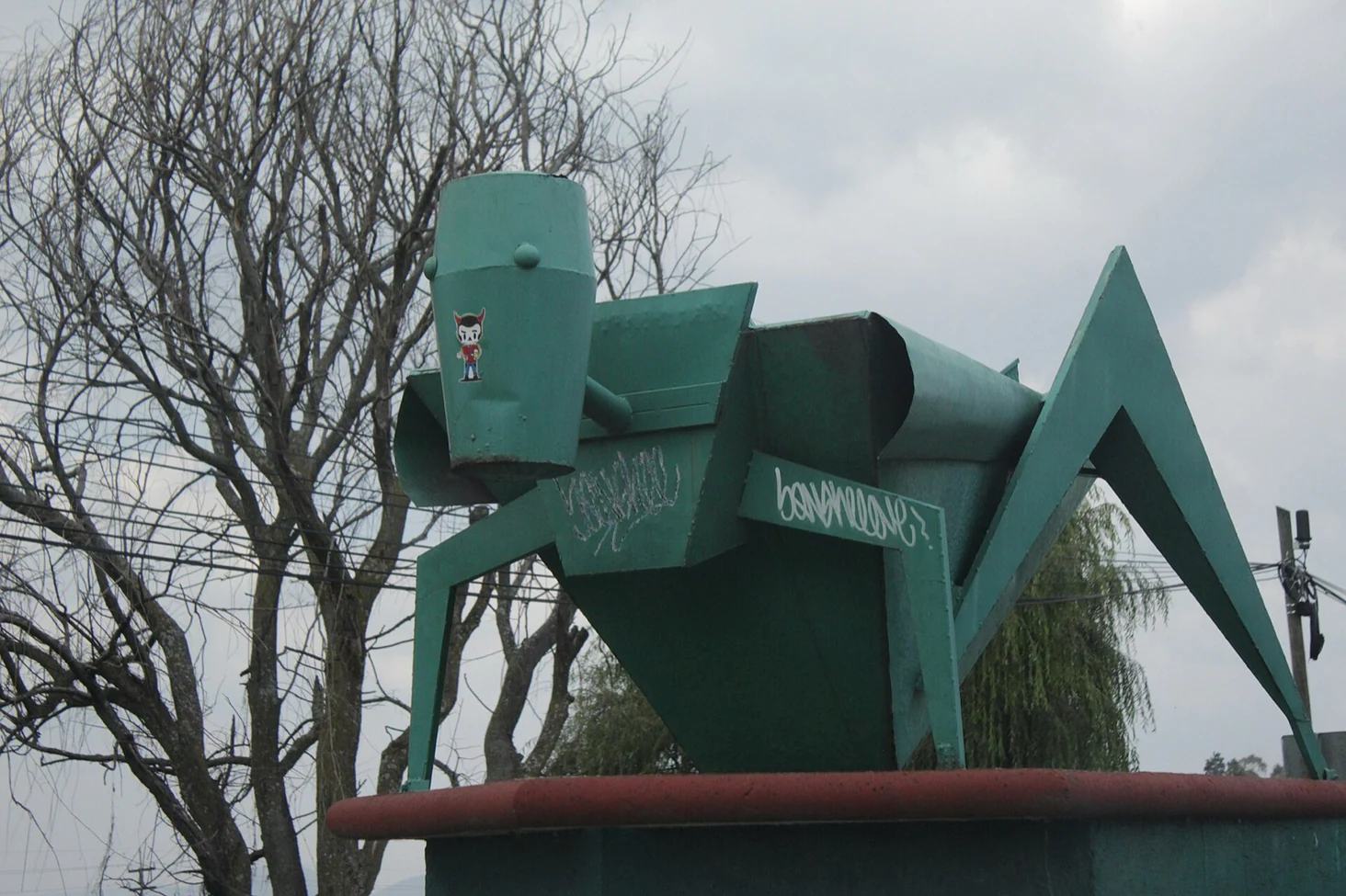
7. A transit-based tour
Build a route along a transit line, naming the stop nearest each work. This is a nice addition to your tours list for accessibility, but also can be a great excuse for people who rarely ride transit to give it a try and go on a transit adventure.
8. The bike-path tour
Public art along a river path within cycling distance can amount to a great afternoon for a group of cyclists. A route like this covers ground a walking tour never could, and can be much more enjoyable on a hot day than a driving tour.
9. Infrastructure you'd otherwise walk past
Cities commission a surprising amount of art for functional structures like utility boxes and bridge abutments, but their functional use can make these artworks nearly invisible to passerby until there's a reason to really stand there and look. Tours like this can change how a person perceives their commute and public art in general, so it's a great variant to include.
10. A tour built for children
Works with texture, scale, or humor with a walking loop under a kilometer can be a great fit for kids. See if you can tuck a playground or kinetic sculpture in there somewhere, and consider if the areas you choose are near food options, away from dense traffic.
The Calgary Public Art Guide started with the map only, and the tour system followed once the collection was in place. Pick a theme that you find interesting, build a tour, and get it published. They're quick and easy to revise later, and who knows? Maybe someone will try out your route and have a lovely time.
If you steward a collection and want visitors to explore tours instead of scrolling through a dense spreadsheet, you might benefit from our interactive maps. Book a demo and we'll work with you to plot your first tour.