Blog Field notes
by Civic Collection Team · 3 min read
How to Document Public Art When You Don't Know the Artist
Imagine that somewhere along your daily commute, there’s a piece of street art spraypainted on a cinder block wall. It’s been there for ages, but the condo development two lots over gets closer every year. You’ve photographed it, but that photo is tucked away in a camera roll with eleven thousand other images, unnamed and unshared.
The thought might cross your mind that you’d like to know who’s responsible for the art piece, or when it was created, but that information has most likely been lost to time. Without an artist name or date, it’s easy to write off an art piece like this. And when the cinder block wall is torn down, the work vanishes, undocumented.
Assumptions like this keep public art records thin. Ideally, public documentation and records should be thorough and complete, but a database entry with two unknown fields isn’t a failed entry, and is worth considerably more than having nothing on file at all.
What you actually have
Instead of writing off the art piece as a mystery, look at the information you actually have while standing in front of it. You have:
- A photograph.
- Coordinates, either pulled from your photo’s metadata, or dropped by hand from a map.
- The art’s dimensions, if you grab a tape measure or download a measurement app.
- A best guess at materials. "Spray paint on cinder block" is a valuable description, even if you don’t know the exact brand of spray paint or the exact color of the cinder blocks.
- The condition of the work, like the tag across the lower left and a spot where moisture has lifted the paint.
- The date of documentation. On this day, this work existed here, in this state. A record showing that a work was photographed on a specific date lets a future researcher better understand its removal.
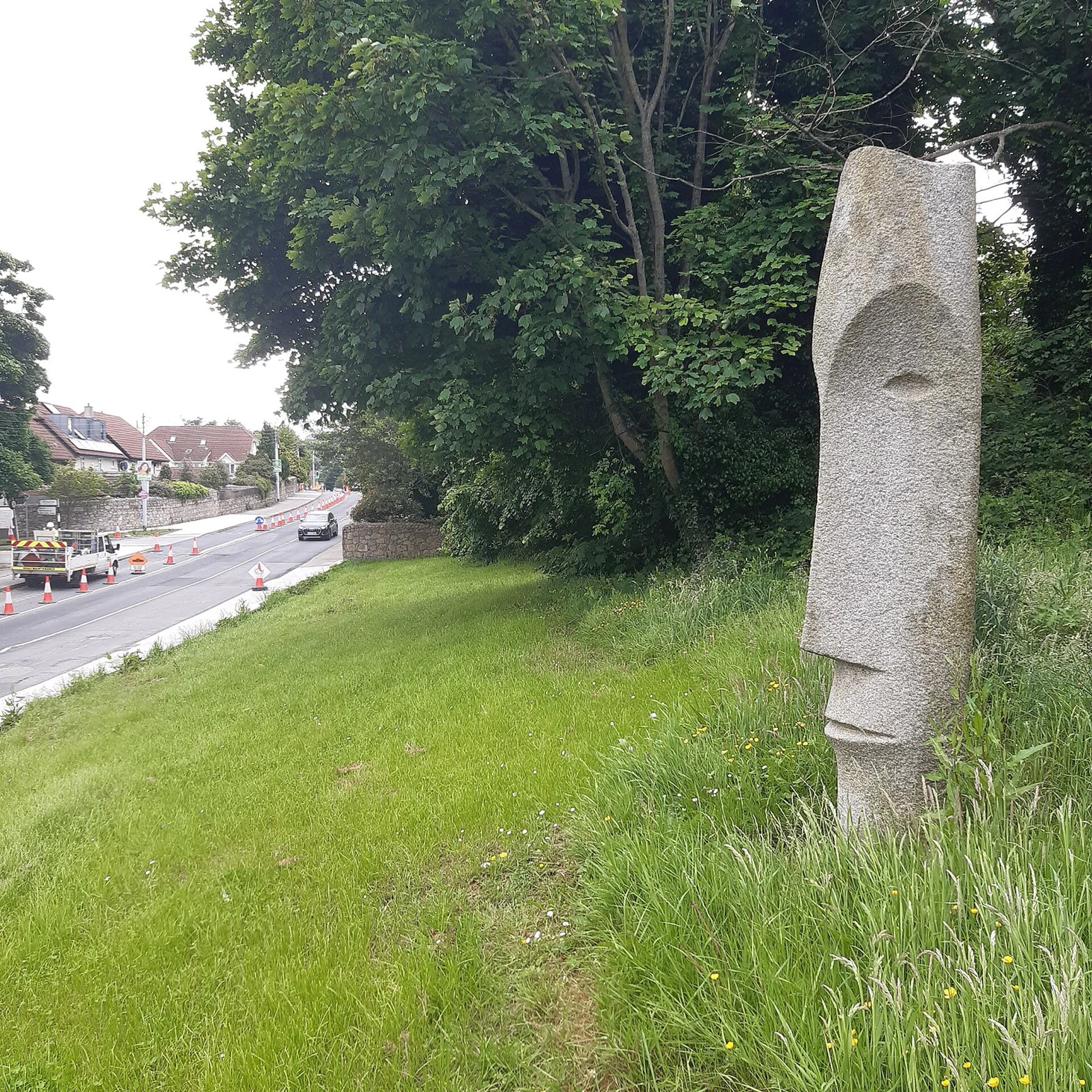
What about spotty submissions?
Yes, crowdsourced records can be spotty. Someone might mistakenly tag a mural as a mosaic, pin it to the wrong side of the street, or submit a blurry photo, but the initial submission doesn’t need to be authoritative. By building a schema that treats uncertainty as valuable data, perhaps down the line, a studio or artist might write in to let you know that the piece is theirs, and that it went up thirteen years ago in January. By starting with the foundation you have, the rest of the structure can be filled in over time, instead of not being built at all.
What this asks of a documentation team
Art documentation teams benefit from crowdsourcing, leaning on their communities for breadth of records, after which they can swoop in to correct, tidy, and improve the dataset. For this approach to work, they need moderation queues, quality reviews before public display, clear photo licensing, and a path for artists who want their work delisted or reattributed. That’s a lot of work, and crowdsourcing helps to migrate these teams’ field collection work over to a curation and quality management workflow.
It works in practice. On the Calgary Public Art Guide, visitors can submit discoveries of their own alongside a catalog the city’s team curates, which matters most for the murals and community-led work that rarely arrive with tidy paperwork attached.
Publish the photo, the pin, the measurement, the guess at materials, and the date you stood there. Down the line, the title and artist name might just pop up.
If you want your community to contribute to art documentation like this, with every submission approved before it goes live, that's what community contributions are built for. Book a demo and we'll look at your collection together.